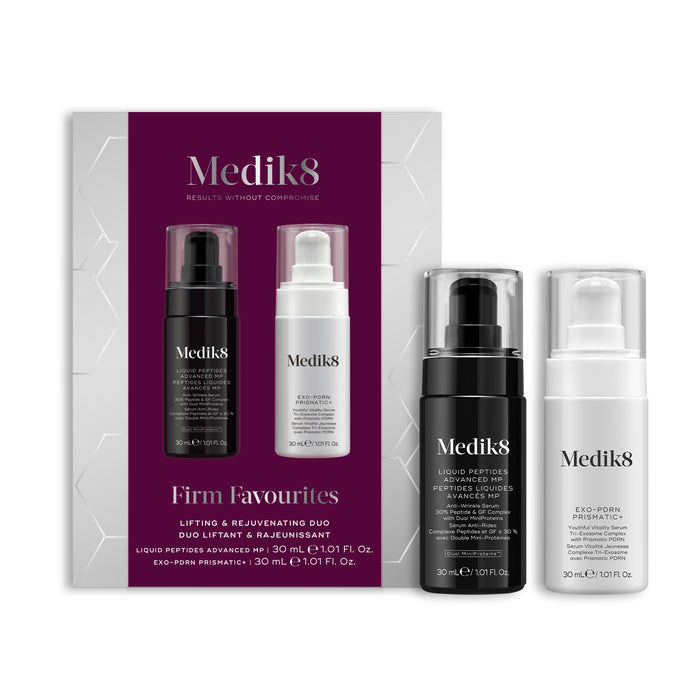
PDRN — polydeoxyribonucleotide — is fragmented DNA, classically purified from salmon, and one of the most talked-about materials in aesthetic medicine. Precision matters here more than almost anywhere in skincare, because the famous results and the jar on the shelf are two different delivery routes.
The injectable story
The strong evidence for PDRN comes from injected use: as a wound-healing adjunct in medical literature and as the basis of in-clinic “skin booster” treatments, where clinicians place it in the dermis. There, research associates it with stimulating fibroblast activity through adenosine receptor pathways — real regenerative biology, performed by a practitioner.
The topical reality
Applied in a cream or serum, DNA fragments are large, water-loving molecules that do not meaningfully cross intact skin. What they genuinely do at the surface: bind water impressively (DNA is a superb film-forming humectant), soothe, and support a well-conditioned surface. Some laboratory work hints at surface-level signalling; it is early, and honest formulators frame topical PDRN as skin-conditioning, not remodelling.
Why it appears in skincare anyway
Partly the humectant merit, partly the halo of the injectable. A reasonable way to use topical PDRN: as the maintenance texture between professional treatments — with the treatments themselves being where the celebrated results live.
Worth knowing
Fish-derived in most supply chains; the severely fish-allergic may wish to patch test, though purified DNA carries little allergenic protein. If PDRN skin boosters interest you, that conversation belongs with our clinicians.