
Peptide
Acetyl Hexapeptide-8
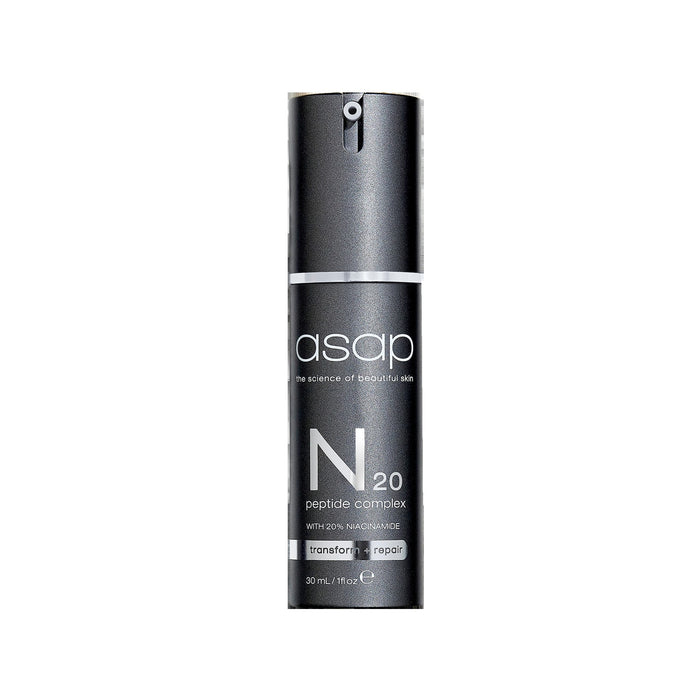 ASAP Skincare
N20 Peptide Complex 30ml
$152.00
ASAP Skincare
N20 Peptide Complex 30ml
$152.00
 ASAP Skincare
Firming Eye Lift 15ml
$92.00
ASAP Skincare
Firming Eye Lift 15ml
$92.00
 Medik8
Liquid Peptides Advanced MP
$128.00
Medik8
Liquid Peptides Advanced MP
$128.00
 Medik8
Liquid Peptides Advanced MP + C-Tetra Advanced Duo
$236.34
Medik8
Liquid Peptides Advanced MP + C-Tetra Advanced Duo
$236.34
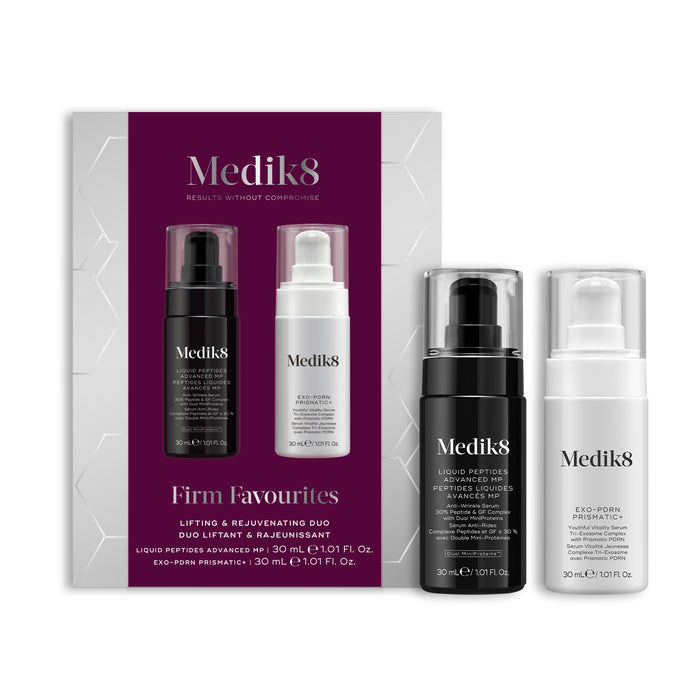 Medik8
Firm Favourites Pack
$232.00
Medik8
Firm Favourites Pack
$232.00
 Medik8
Liquid Peptides
$89.60
Medik8
Liquid Peptides
$89.60
 Medik8
Luminous Lift Kit
$122.00
Medik8
Luminous Lift Kit
$122.00
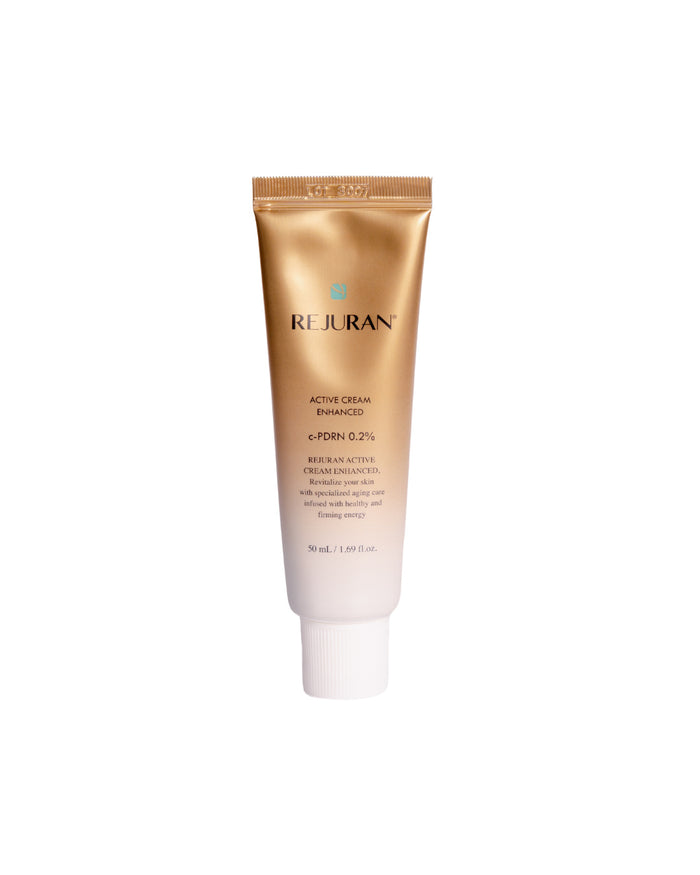 Rejuran
 Active Cream Enhanced 50ml
$76.00
Rejuran
Rejuran Active Cream Enhanced 50ml
$76.00
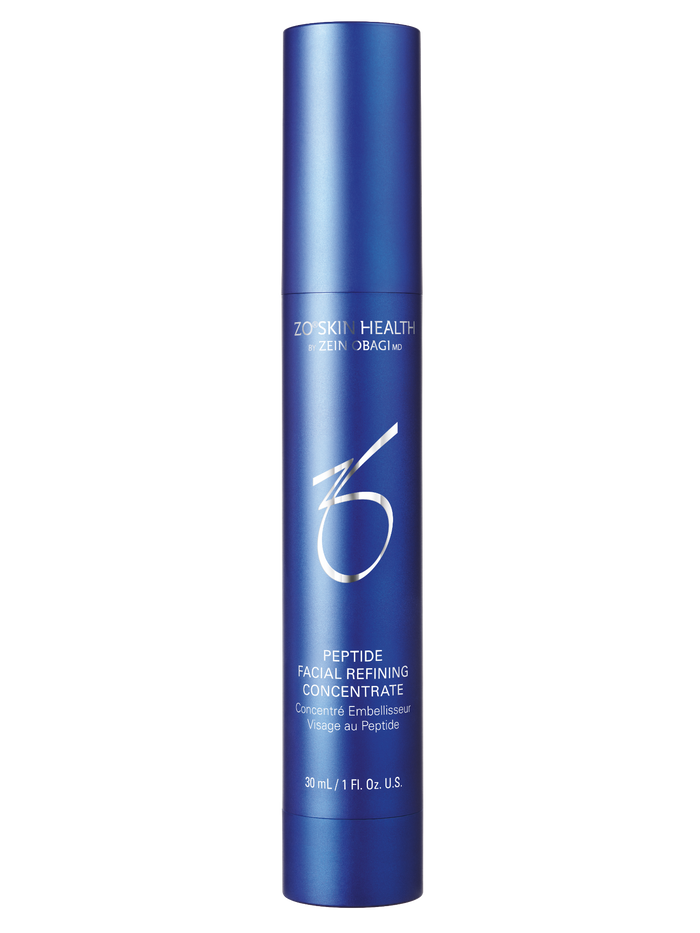 ZO Skin Health
Peptide Facial Refining Concentrate
$371.20
ZO Skin Health
Peptide Facial Refining Concentrate
$371.20
INCI name
Acetyl Hexapeptide-8
Function
Peptide
Pregnancy
Seek Advice
UV sensitivity
Not photosensitising