

Balancing Cleansing Emulsion 200mL
Authorised Australian Stockist
An oil-based cleanser that emulsifies on contact with water, formulated with sugar-derived cleansing agents rather than detergents.
How it works
Who it suits
How to use
Before you start
Full ingredients
Ethylhexyl Palmitate, Caprylic/Capric Triglyceride, Glycerin, C12-15 Alkyl Benzoate, Aqua/Water/Eau, Sucrose Laurate, Sucrose Stearate, Avena Sativa (Oat) Kernel Extract, Caprylyl Glycol, Bisabolol, Phospholipids, Methyl Glucose Dioleate, Sucrose Palmitate, Polysorbate 20, 1,2-Hexanediol, Potassium Sorbate.
Verified against Australian stock on 30 July 2026.
Balancing Cleansing Emulsion 200mL
Sale price$80.00
Regular price$100.00
Pairs well with
Three steps our clinical team reaches for alongside this one.

ZO Skin Health
Soothing Ointment
Sale price$115.20
Regular price$144.00


ZO Skin Health
Hydrating Crème
Sale priceFrom $100.00
Regular price$125.00
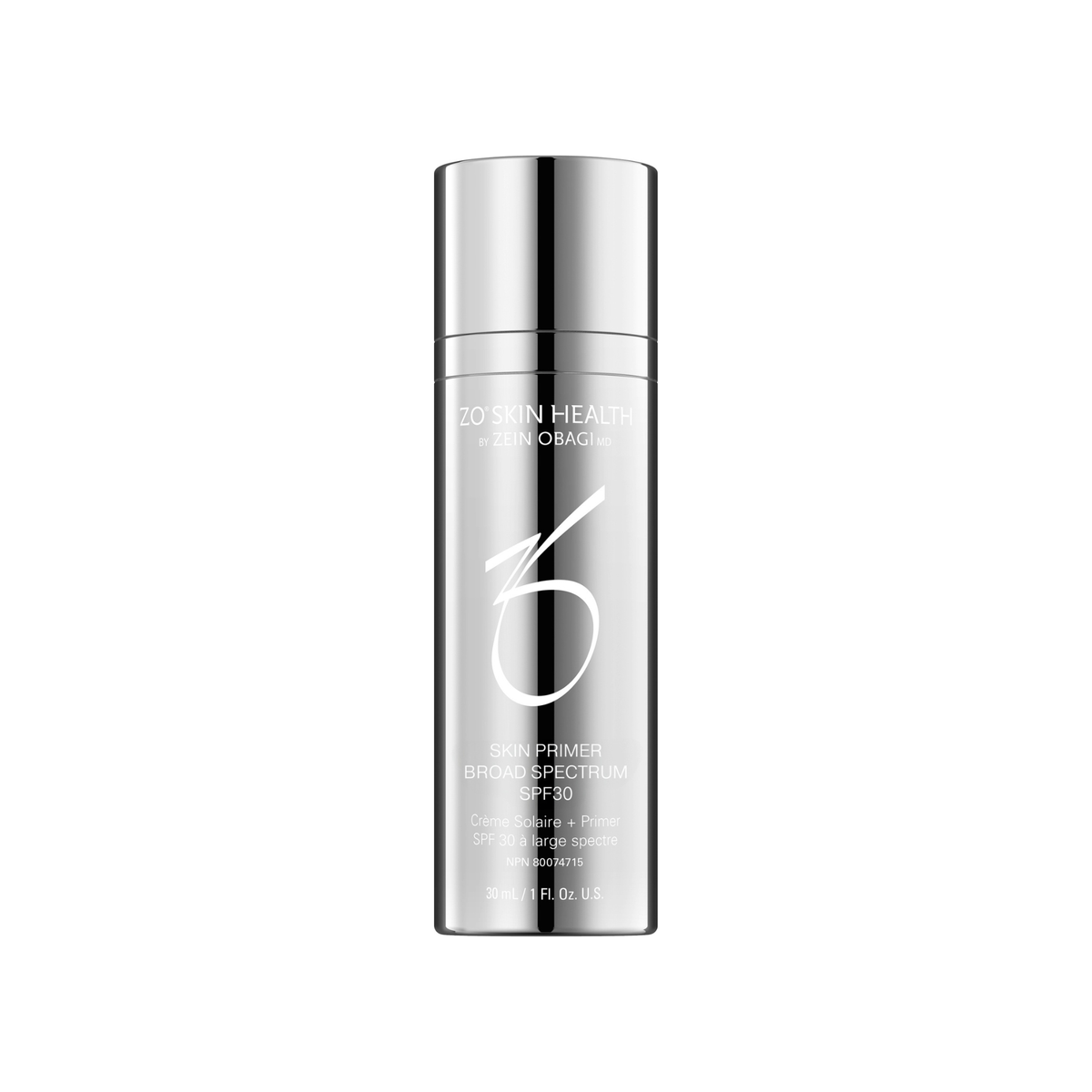

ZO Skin Health
Skin Primer Broad Spectrum SPF30
Sale price$76.00
Regular price$95.00