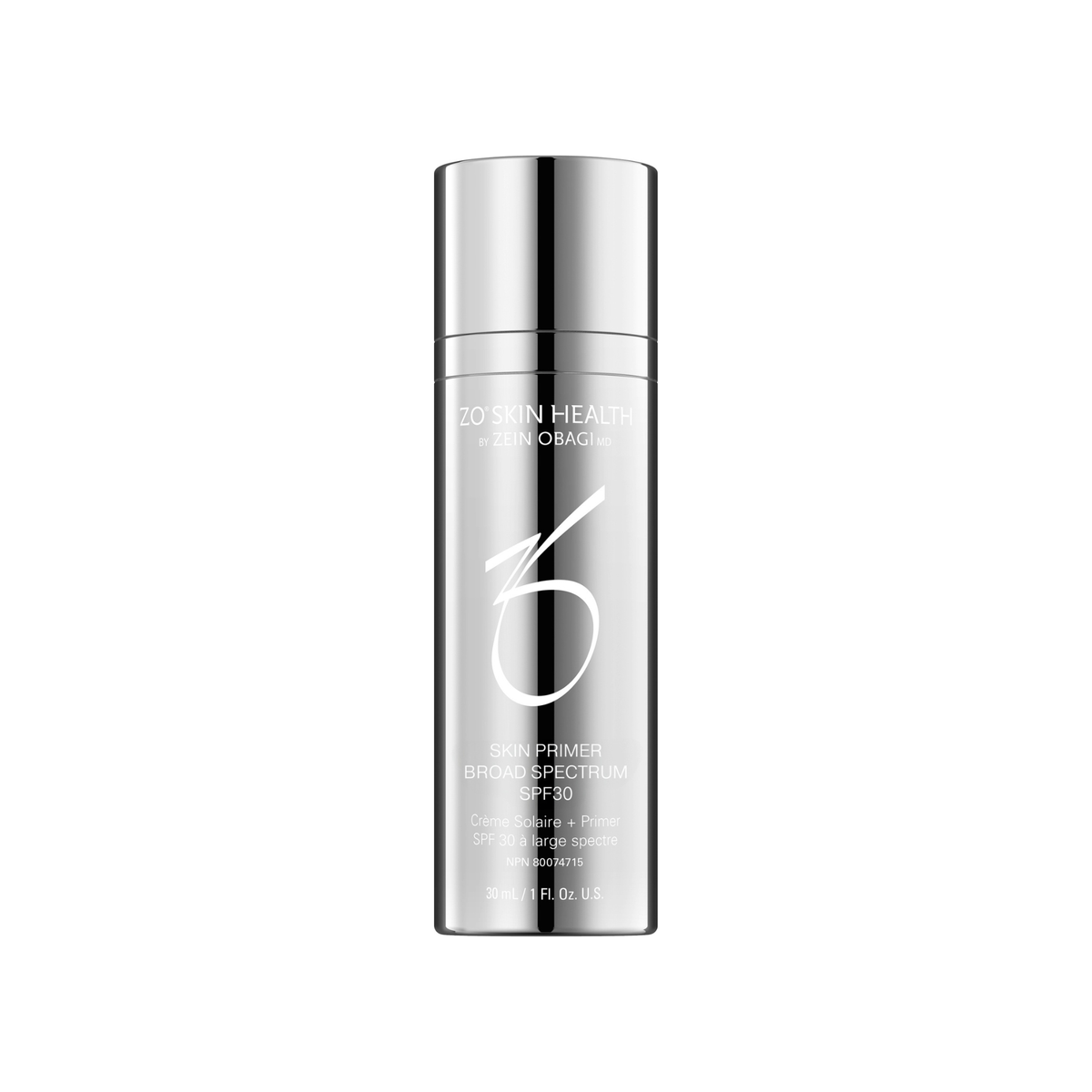
10% Vitamin C Self-Activating

Sale price$194.00

A waterless serum carrying 10% pure ascorbic acid suspended in a silicone base, activated by the skin's own moisture on application.

Key actives Ubiquinone·Vitamin E·Squalane
When to use Morning, first step before SPF
How it works

Why anhydrous

Pure ascorbic acid is the most effective form of vitamin C and the least stable. In water it oxidises steadily, turning yellow then brown as it degrades, which is why most vitamin C serums have a limited useful life once opened and why so many brands use derivatives instead.

This formula removes the water entirely. There is none in the ingredient list. The ascorbic acid is suspended as a solid in a silicone base, where it cannot oxidise because there is no aqueous phase for the reaction to happen in.

What "self-activating" means

The ascorbic acid stays inert in the bottle. On application it meets the moisture naturally present in skin, dissolves, and becomes active at that point. Activation happens on the face rather than in the jar.

That is the entire design, and it is a genuinely elegant answer to vitamin C's central problem.

Two forms of vitamin C

Ascorbic acid is the active form, working immediately at the surface. Tetrahexyldecyl ascorbate is an oil-soluble ester, considerably more stable and better suited to the lipid environment of the skin barrier, converted to ascorbic acid after it penetrates.

One works fast and shallow, the other slower and deeper.

The antioxidant network

Tocopheryl acetate is a vitamin E ester working in the lipid phase. Ubiquinone, coenzyme Q10, works within cell membranes.

Vitamin C, vitamin E and ubiquinone form a regenerating cycle: after each donates an electron and is oxidised, the others can return it to its active form. Formulating all three together is more than the sum of the parts.

Why it goes on last

Cyclopentasiloxane and dimethicone form a smooth, occlusive film. Anything applied over the top would struggle to get through it, which is why ZO direct it as the final step before sunscreen rather than as a first-layer serum.

The citrus oil, honestly

Bitter orange peel oil is present as a fragrance, and it accounts for the two declared allergens, limonene and citral.

Worth knowing: expressed citrus peel oils contain furocoumarins, which are phototoxic. Steam-distilled versions have them removed. An INCI name does not distinguish between the two, so the label alone does not tell you which is used here.

ZO direct morning use, which implies a furocoumarin-free grade. If you would rather not rely on that inference, using it in the evening removes the question entirely. Your version also contains less of it than earlier formulations did.

Who it suits

Skin concerned with uneven tone, surface discolouration and dullness. Suits most skin types.

The silicone base gives a smooth, blurring finish that sits well under makeup, and suits normal to oily skin particularly.

Consider carefully if you are sensitive to citrus or fragrance, or if your skin is currently reactive. Pure ascorbic acid at 10% is potent.

How to use

Apply two to three pumps to clean, dry skin. ZO direct morning or evening, as the final step before sunscreen or makeup.

Skin must be dry. The formula activates on contact with moisture, so applying to damp skin begins that process before it reaches where you want it.

Build up gradually. ZO note that slight redness, stinging or tingling is a normal response to vitamin C and subsides with continued use. Start every second or third day and increase as tolerated.

Follow with broad-spectrum SPF 30 or higher in the morning. Vitamin C is complementary to sunscreen, not a replacement for it.

Layering

Use alongside

Sunscreen, applied over the top. Vitamin C and SPF work well together, one neutralising free radicals generated by UV, the other blocking the UV.

Retinoids in the evening, if you use this in the morning. Separating them by time of day avoids any interaction question.

Keep apart

Other products applied after this one. The silicone film limits what can penetrate through it, which is why it goes last.

Exfoliating acids in the same application, where the combined acidity may sting.

Before you start

Not suitable if

  • Known citrus or fragrance sensitivity
  • Broken or compromised skin
  • Currently reactive or inflamed skin

Good to know

  • Patch test on a small area of skin before first full use
Full ingredients

Cyclopentasiloxane, Dimethicone Crosspolymer, Ascorbic Acid, Dimethicone, Tetrahexyldecyl Ascorbate, Squalane, Citrus Aurantium Amara (Bitter Orange) Peel Oil, Limonene, Citral, Tocopheryl Acetate, Ubiquinone, Phenoxyethanol.

Size: Full Size