
Wound-healing botanical
Centella Asiatica
 Alastin
TransFORM Body Complex with TriHex Technology
$232.00
Alastin
TransFORM Body Complex with TriHex Technology
$232.00
 Cosmedix
Rescue
$88.00
Cosmedix
Rescue
$88.00
 iS Clinical
Cleansing Complex
$44.00
iS Clinical
Cleansing Complex
$44.00
 iS Clinical
Youth Complex
$273.00
iS Clinical
Youth Complex
$273.00
 iS Clinical
Hydrate & Renew Essentials
$319.00
iS Clinical
Hydrate & Renew Essentials
$319.00
 iS Clinical
Hydra-Cool Serum
$108.00
iS Clinical
Hydra-Cool Serum
$108.00
 iS Clinical
Youth Eye Complex
$178.00
iS Clinical
Youth Eye Complex
$178.00
 iS Clinical
Super Serum Advance+
$161.00
iS Clinical
Super Serum Advance+
$161.00
 iS Clinical
Hydra-Intensive Cooling Masque
$154.00
iS Clinical
Hydra-Intensive Cooling Masque
$154.00
 iS Clinical
Moisturizing Complex
$158.00
iS Clinical
Moisturizing Complex
$158.00
 iS Clinical
Dynamic Glow Must-Haves
$143.00
iS Clinical
Dynamic Glow Must-Haves
$143.00
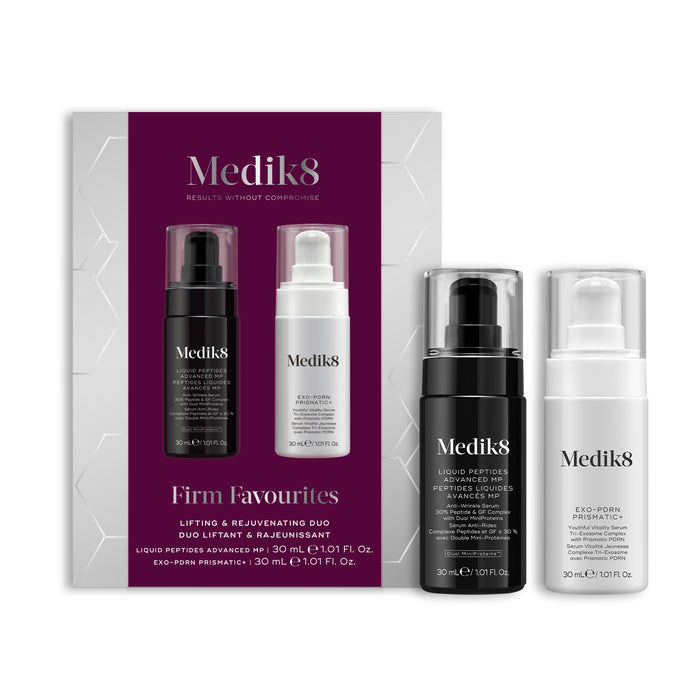 Medik8
Firm Favourites Pack
$232.00
Medik8
Firm Favourites Pack
$232.00
 Medik8
Exo-PDRN Prismatic+
$128.00
Medik8
Exo-PDRN Prismatic+
$128.00
 Medik8
Bakuchiol Peptides
$88.00
Medik8
Bakuchiol Peptides
$88.00
 Medik8
Night Recovery & Sensitive Care Edit
$200.20
Medik8
Night Recovery & Sensitive Care Edit
$200.20
 Mesoestetic
Couperend Cream
$99.20
Mesoestetic
Couperend Cream
$99.20
 Rejuran
 Turnover Mask
$52.00
Rejuran
Rejuran Turnover Mask
$52.00
 ZO Skin Health
Skin Primer Broad Spectrum SPF30
$76.00
ZO Skin Health
Skin Primer Broad Spectrum SPF30
$76.00
INCI name
Centella Asiatica Extract
Function
Wound-healing botanical
Pregnancy
Speak to your doctor
UV sensitivity
Not photosensitising