
Vitamin B3
Niacinamide
 Alastin
A-LUMINATE Brightening Serum
$216.00
 Alastin
Restorative Eye Complex
$120.00
 Alastin
Restorative Skin Complex with TriHex Technology
$240.00
 Alastin
Restorative Neck Complex with TriHex Technology
$168.00
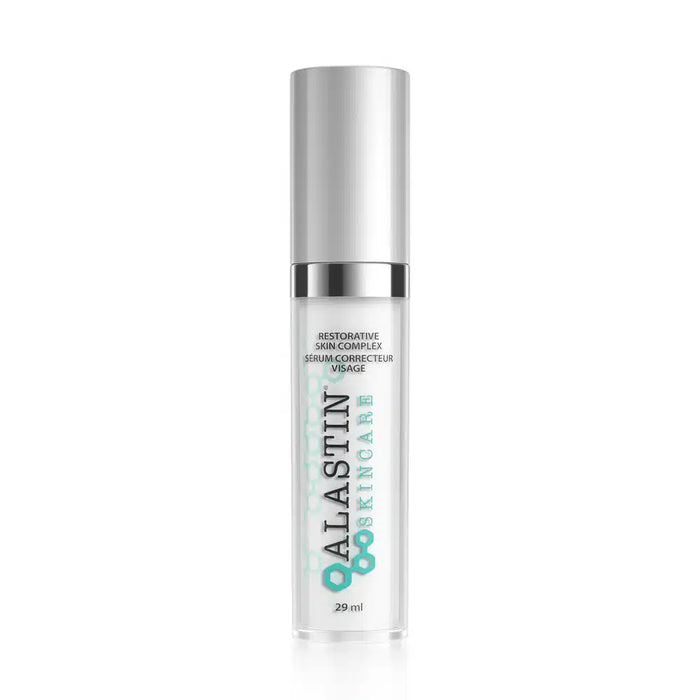 Alastin
Restorative Skin Complex Original
$234.00
 ASAP Skincare
Ultimate Defence SPF50+ Sunscreen 100ml
$76.00
 ASAP Skincare
Moisturising Defence+ SPF50+ Broad Spectrum Sunscreen 100ml
$76.00
 ASAP Skincare
Ultimate Defence SPF50+ Sunscreen 50ml
$46.40
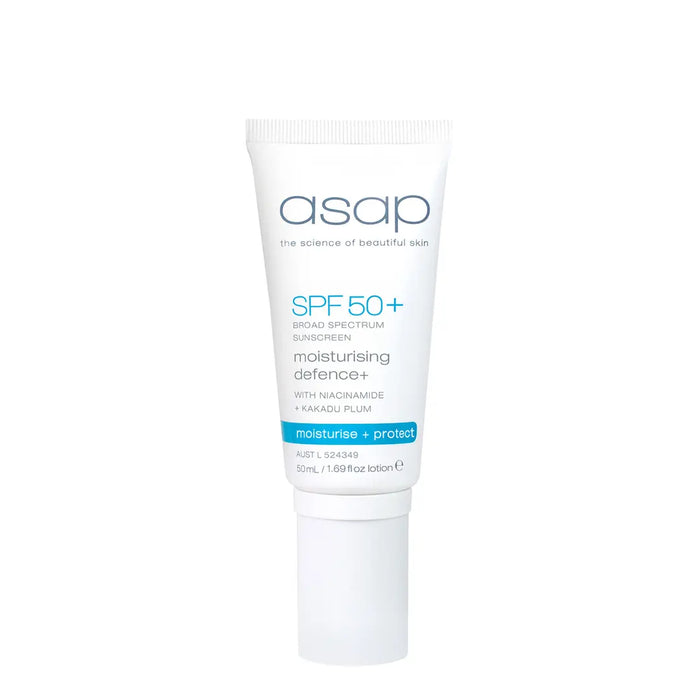 ASAP Skincare
Moisturising Defence+ SPF50+ Broad Spectrum Sunscreen 50ml
$46.40
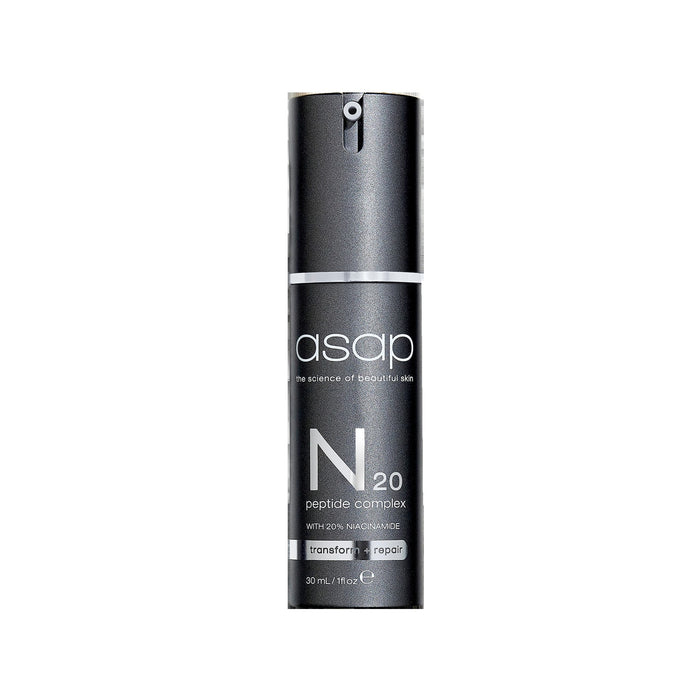 ASAP Skincare
N20 Peptide Complex 30ml
$152.00
 ASAP Skincare
Super B Complex 30ml
$100.00
 ASAP Skincare
Ultimate Hydration 50ml
$91.20
 Aspect Dr
Multi B Plus Adaptogen Support
$124.80
 Aspect Dr
Try Me Kit
$49.60
 Aspect Dr
Complete Pigment Radiance
$141.60
 Aspect Skincare
Stop Spot
$15.20
 Aspect Skincare
B17 + C20 Bundle
$217.60
 Aspect Skincare
Pigment Punch Body
$64.80
 Aspect Skincare
Extreme B 17
$116.80
 Cosmedix
Humidify Moisture Cream
$130.40
 Cosmedix
Surge Serum
$150.40
 Cosmedix
Clarity
$66.40
 Cosmedix
Simply Brilliant
$104.80
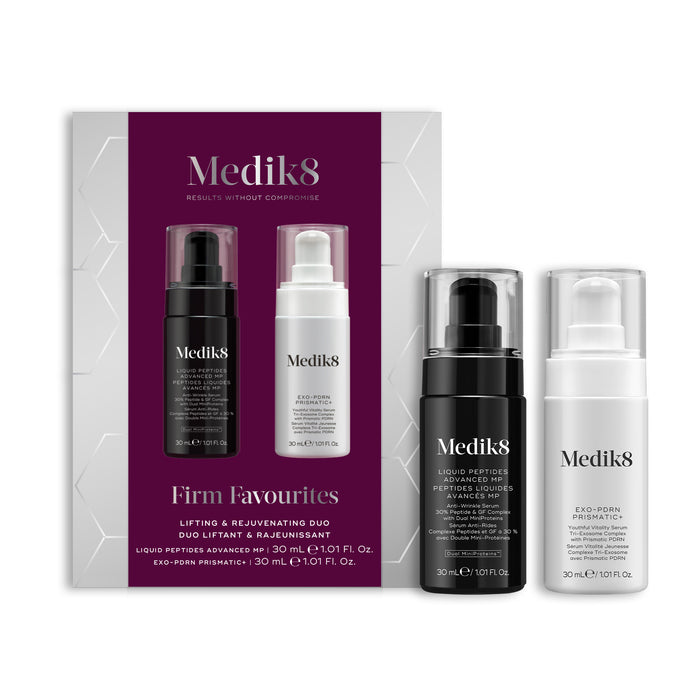 Medik8
Firm Favourites Pack
$232.00
 Medik8
Exo-PDRN Prismatic+
$128.00
 Medik8
Daily Refresh Balancing Toner
$32.80
 Medik8
Clear Skin Edit
$159.50
 Medik8
Niacinamide Peptides
$84.00
 Mesoestetic
Dermamelan Intimate Home Depigmenting Gel Cream
$116.00
 Mesoestetic
Melan Tran3x Concentrate
$174.40
 Mesoestetic
Cosmelan Home Pack
$438.40
 Mesoestetic
Melan Tran3x Gel Cream
$124.00
 Rejuran
 Recover Soothing Mask
$48.00
 Rejuran
 Dual Effect Ampoule
$96.00
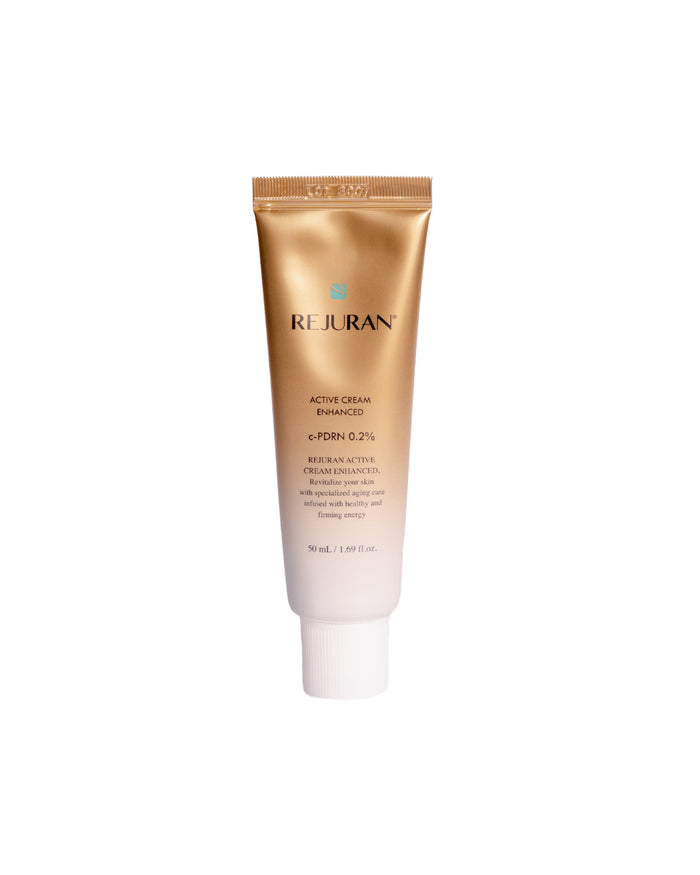 Rejuran
 Active Cream Enhanced 50ml
$76.00
 Rejuran
 Turnover Mask
$52.00
 Rejuran
 Turnover Ampoule
$96.00
 ZO Skin Health
Exfoliating Cleanser
$33.60
 ZO Skin Health
Brightalive Skin Brightener
$144.00
 ZO Skin Health
Clear Renewal 0.3% Retinol
$212.00
 ZO Skin Health
ZO Anti-Ageing Program
$411.20
INCI name
Niacinamide
Function
Vitamin B3
Pregnancy
Suitable
UV sensitivity
Not photosensitising